
Wood Works: Young Joe Ritenour Goes Into Business
Welcome to “Wood Works,” a new monthly series profiling SBWI Alumni who are working at the intersections of carpentry, fine art, mass timber, and more. Follow along on our website or sign up for our newsletter to never miss a story.

Joe on campus at SBWI.
Wood Works: Joe Ritenour’s Strong Start
Joe Ritenour came to SBWI right out of high school. At only 22 years old, he is a self-employed artisan whose business King Solomon Furniture is off to strong beginning.
“It’s not easy to start something up,” says Joe. “I’m still in the early stages, and I put all the money I’ve made back into the business. But I have made more that what I paid to go to SBWI. They really do set you up for success, as long you’re willing to take advantage of it.”
Joe’s credits his parents with supporting his artistic talents and offering him opportunities to grow practical, creative skills. “My first love was music. I started taking piano lessons when I was ten, and in high school I taught myself guitar and had a rock band.”
At sixteen, Joe’s parents gifted him some blacksmithing items, and he needed a place to store the tools. “I made a dovetailed tool chest, and I feel in love with woodworking over blacksmithing and went from there.”
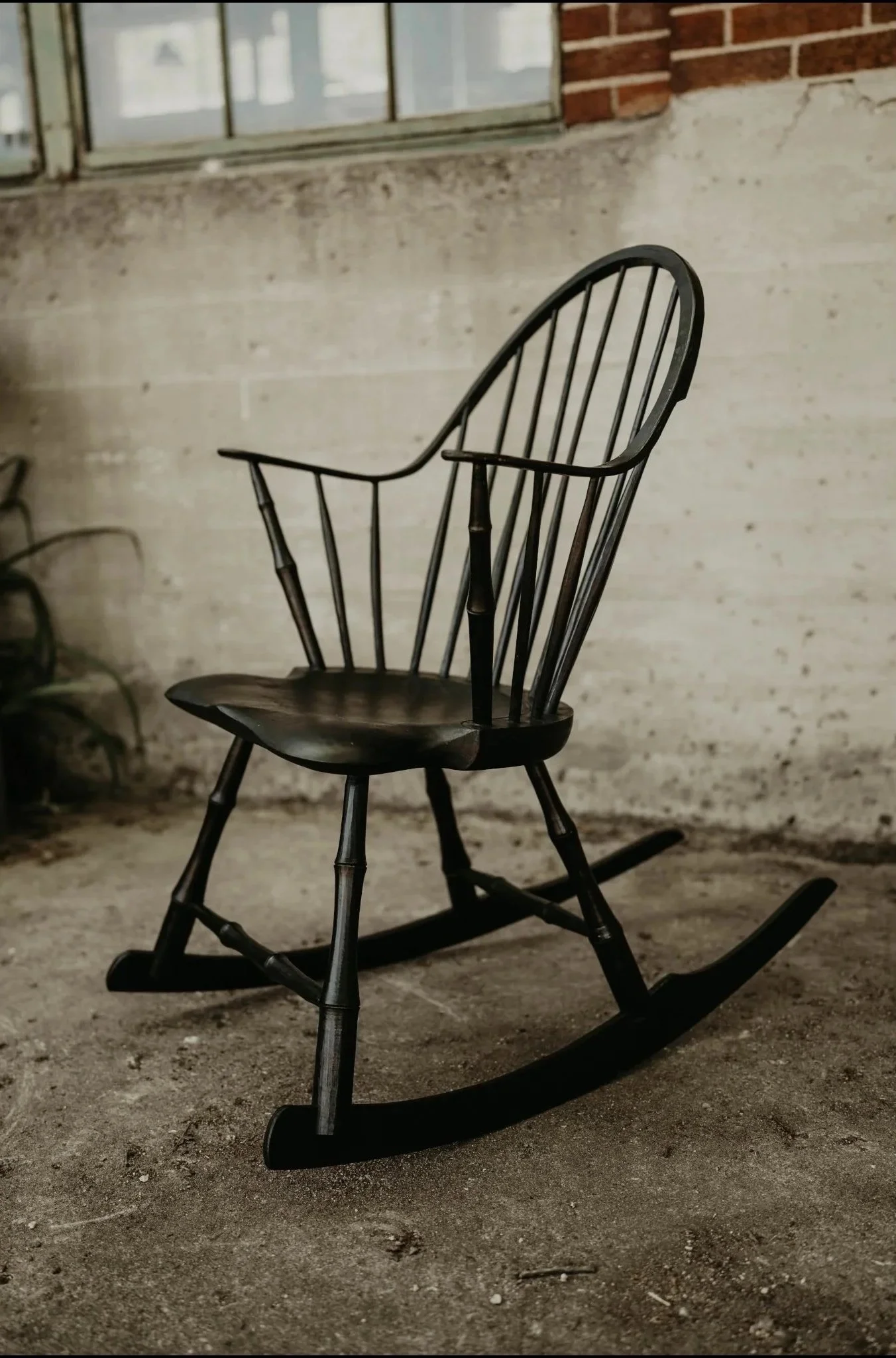
The following year, his parents purchased a Windsor Chair class for Joe, taught by SBWI President Luke Barnett. Joe was about the same age as Luke when he started learning chair-making.
“That set the spark on fire,” says Joe. After high school, he attended SBWI’s Wood Design program with ambitions to start his own business. “I learned so much in that week long-class, what am I going to learn in nine months? My expectations were pretty high.”
Furniture Making Foundations
Joe describes SBWI’s Wood Design program as, “complete.”
“There’s things that have come up in the course of making work for clients. I might not have done it a ton at the school, but we covered all the basics.”
“One of my clients wanted a hand-carved sign. We didn’t really get into letter carving, but there was one week where we got into hand-carving. So going into that project, I had at least picked up a carving chisel and I could transfer the skills I had learned from that section of the course.”
“Going into it, I did definitely want to have my own business. Of course no program is going to cover everything, but they covered the basics so well. Carving, veneer, green woodworking, standard case work. It was a very good foundation of skills. You learn enough so that you can figure things out out after you graduate.”
As a self-taught artist and creative person, Joe also appreciated the teaching style at SBWI and the variety of instructors and creative points of view.
“Theres lots of freedom,” he says. “They’re making sure that you’re doing it right, but they are open to different ways of doing the same thing. In woodworking, you can get a lot of people who are stuck in their ways, and they say ‘this is the only way you can do this,’ but there’s a lot of ways to skin a cat. I like that aspect of it.”
Professional Woodworking
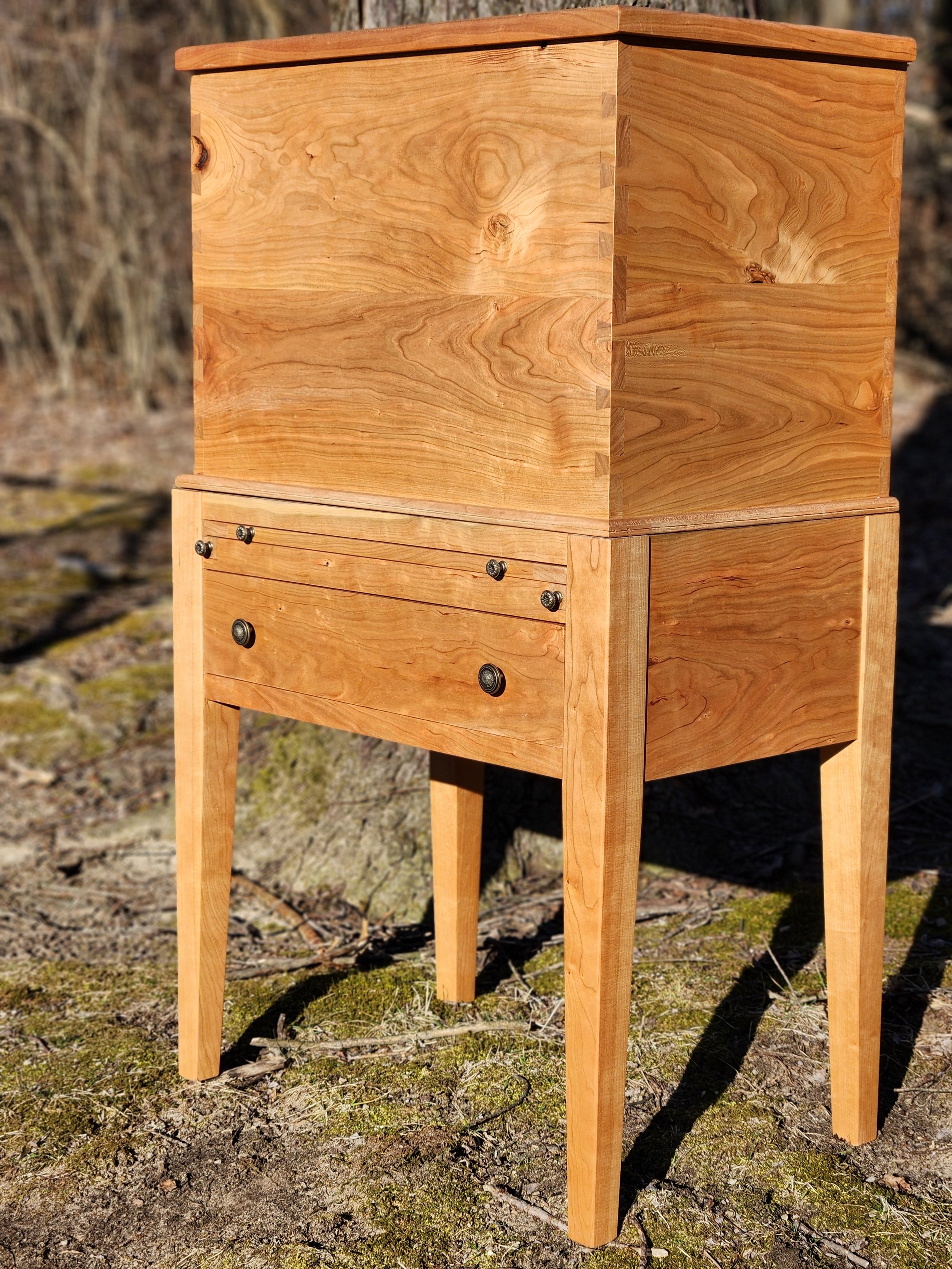
After graduating, Joe spent about two years working out of his grandfather’s woodshop. About a year ago, he rented a 20x30’ shop space where he makes a variety of things.
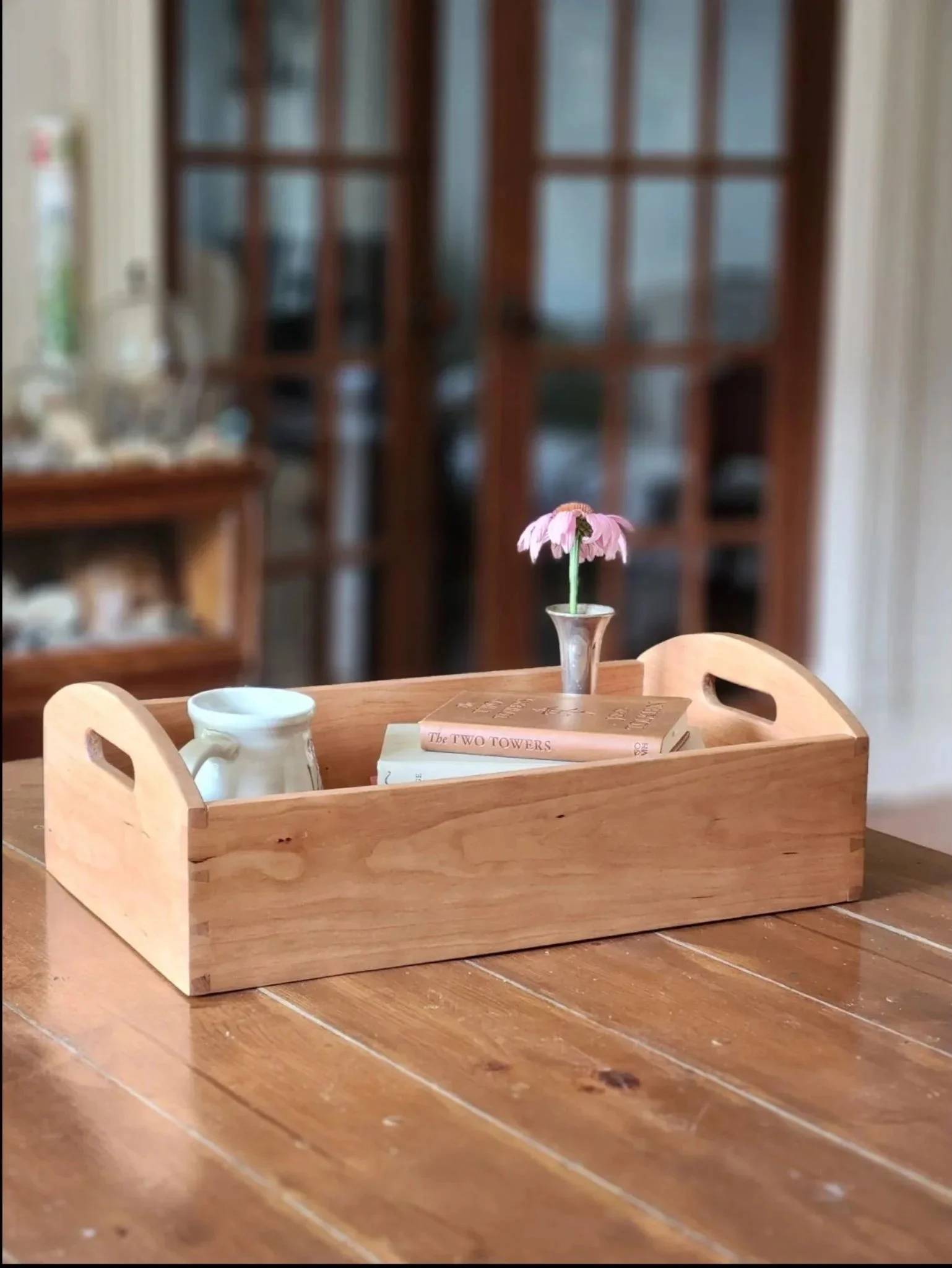
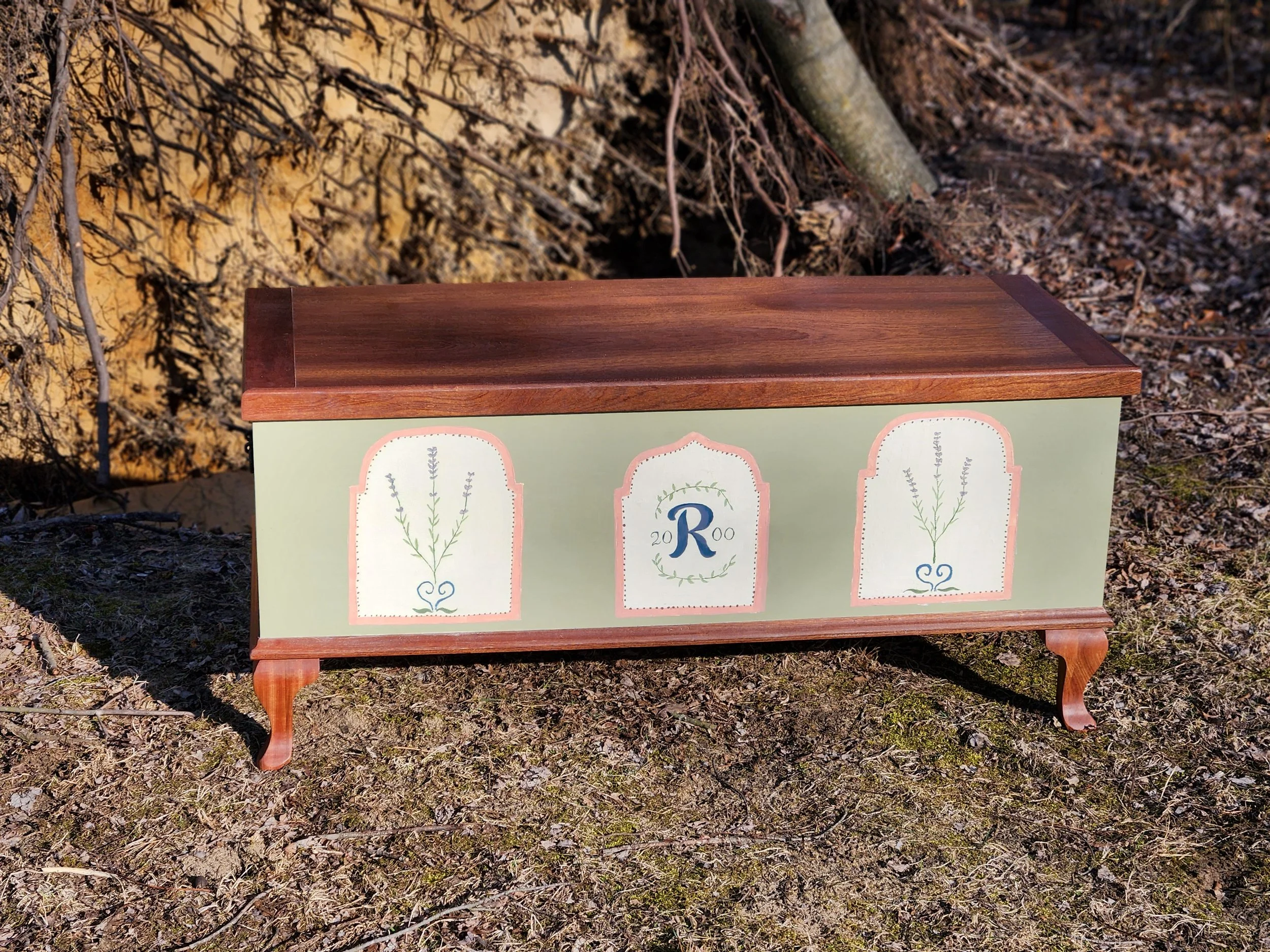
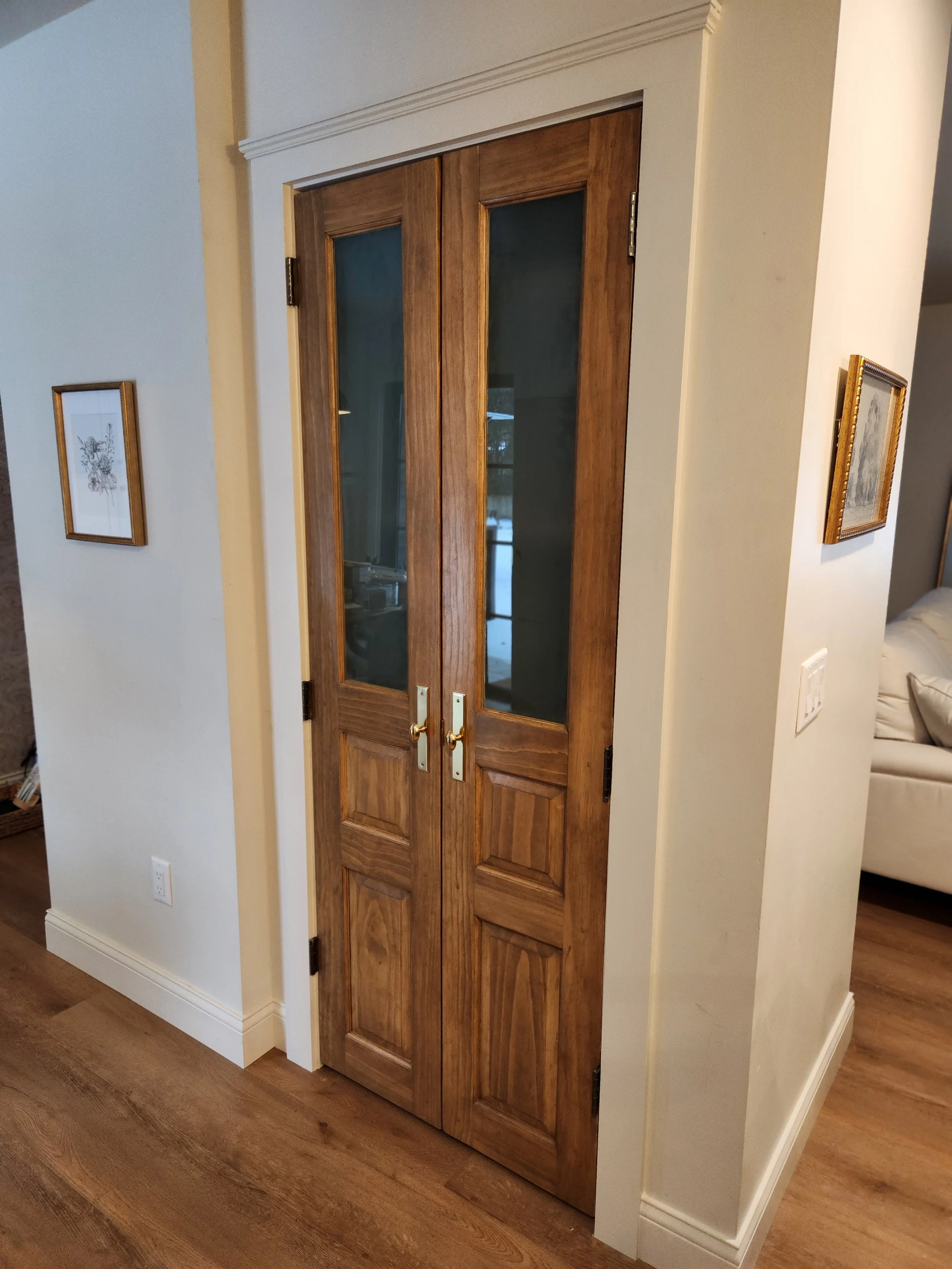
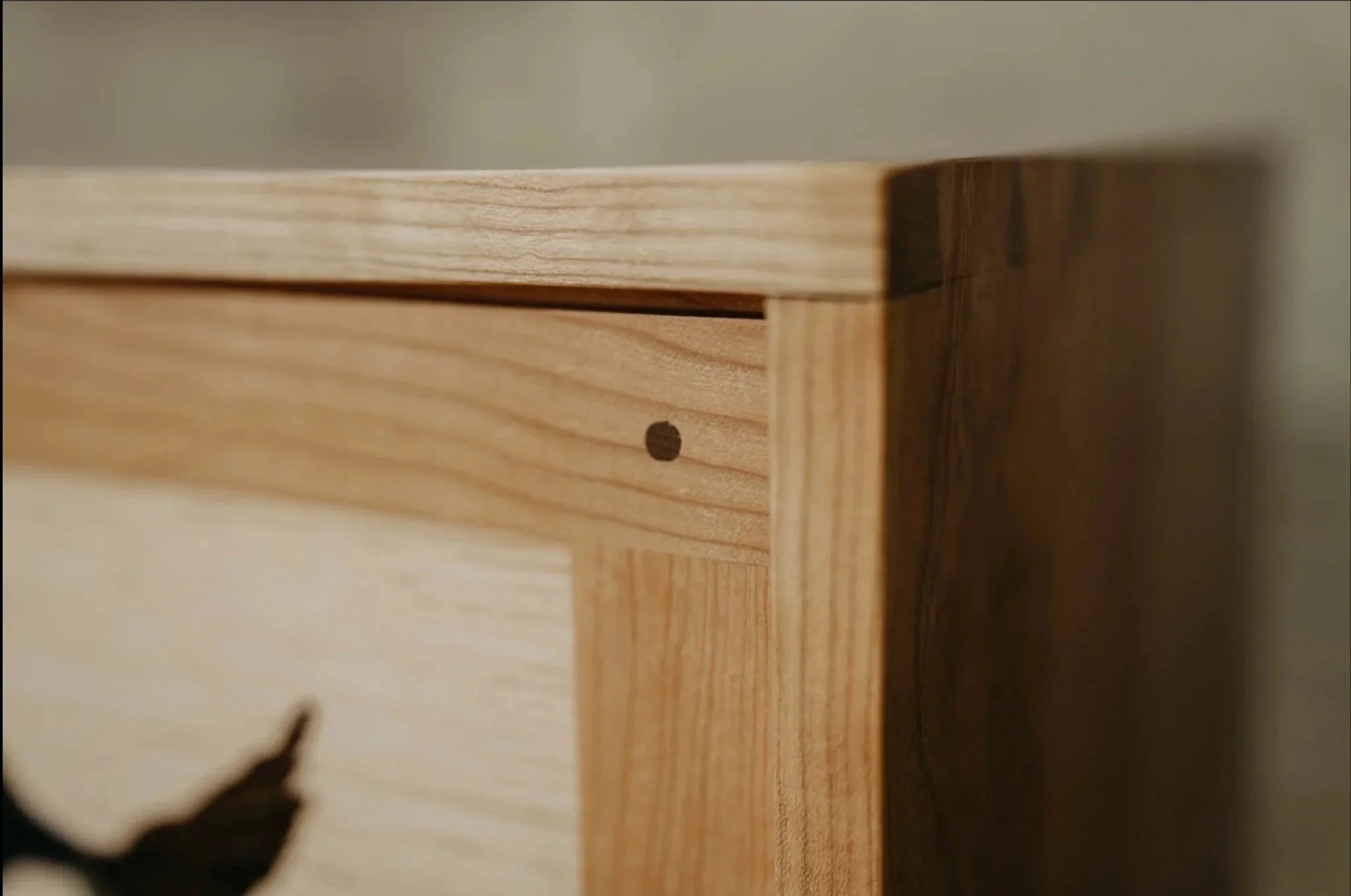
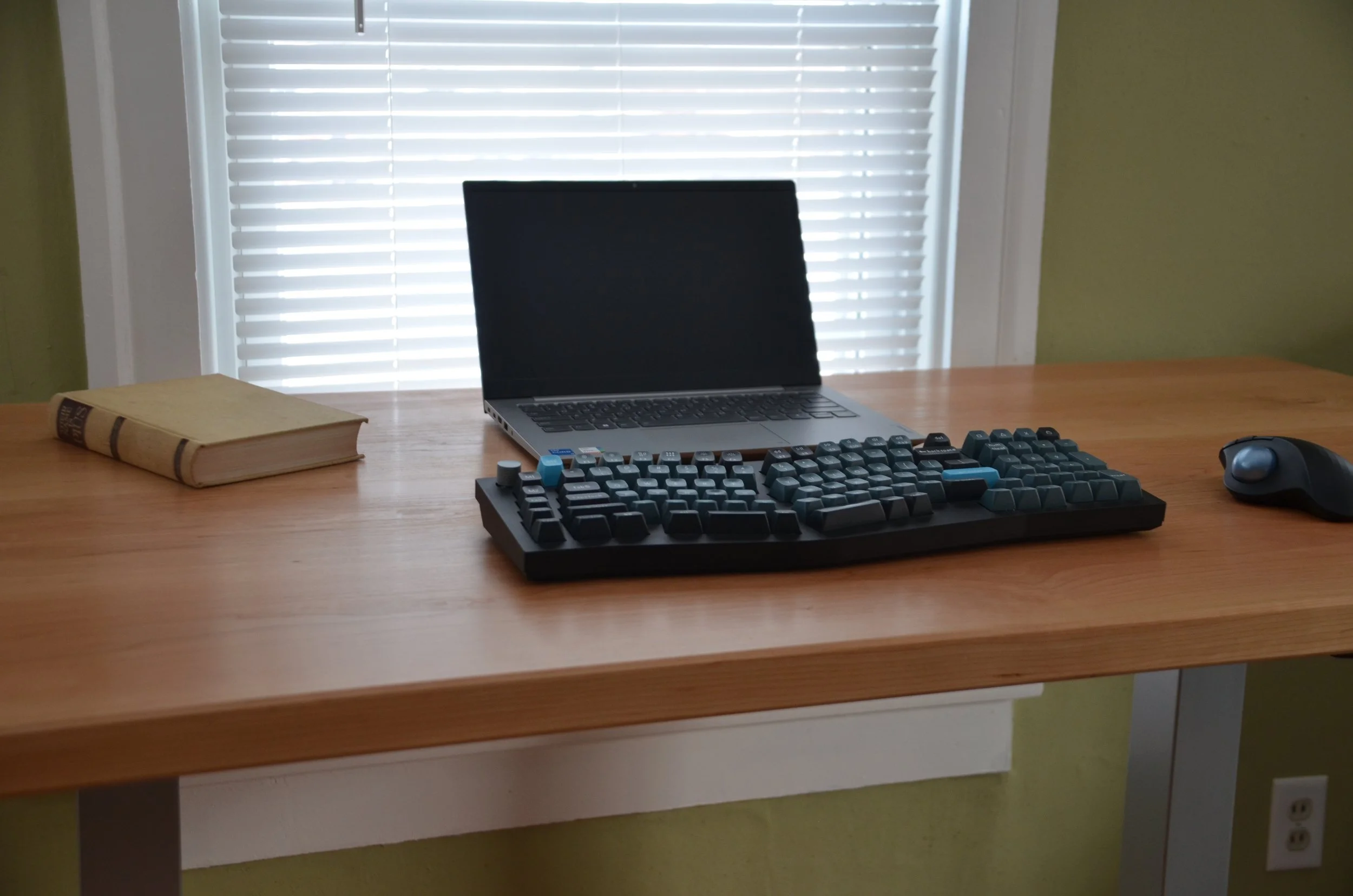
“I’ve done quite a bit of finish carpentry work, I got a 15x15’ office and did all the trim in there, custom cabinets and custom desk top. The desk was 13ft long. I built custom interior french doors, the client was looking for something nicer than the builder could provide. That was a fun project. I’ve done kneelers for churches, side tables. I am working on quoting a table right now. I make patrioritc walking sticks for a client, I’ve made around 100 of those.”
Sounding wiser than your average young adult Joe says, “You know, time flies. And then it starts to run together.”
After a few years in business, Joe is starting to think more about his customer base, and how to sell himself as a creative craftsperson who can execute whatever a client desires.
“Plumbers and electricians, people call them to solve a problem. But furniture is a commodity. I’ve been to fairs and craft shows and people will ask you, ‘Do you do this?’ They’re missing the connection that I do custom work, so I can do whatever you want. I’m learning that my potential customers need to see what they’re looking for, or something close to it.”
What’s Next?
Joe describes his time at SBWI as growing his confidence in his own skills and in the products he is making. “I don’t like throw-away stuff. And that is part of my business model. The furniture has to be both beautiful and durable. The school put the skills in my hands to make a piece of furniture for somebody and I know it’s the right way to do it. If it’s taken care of, it’s going to last for generations.”
For the trade-school curious he offers this advice, “Take a shorter class to get a feel for the school and the teachers and all that. I was much more confident after I took the week-long chair class. You’re going to take something good away, even if you dont go to the full, longer-term program.”
He ends our conversation with one final note, “I think, too, that the teachers are great.”
Thank you Joe, for sharing your journey with us! We wish your and your business continued success.