
Trade School FAQs
Welcome to our brand new FAQ section, launched on December 1, 2025. We’ll quickly answer common questions about what it means to be a woodworker in today’s world. While we’re building this, check out our Career Program page for answers to frequently asked questions, or Contact Us with any questions you have.
Thanks, and Long Live Wood.
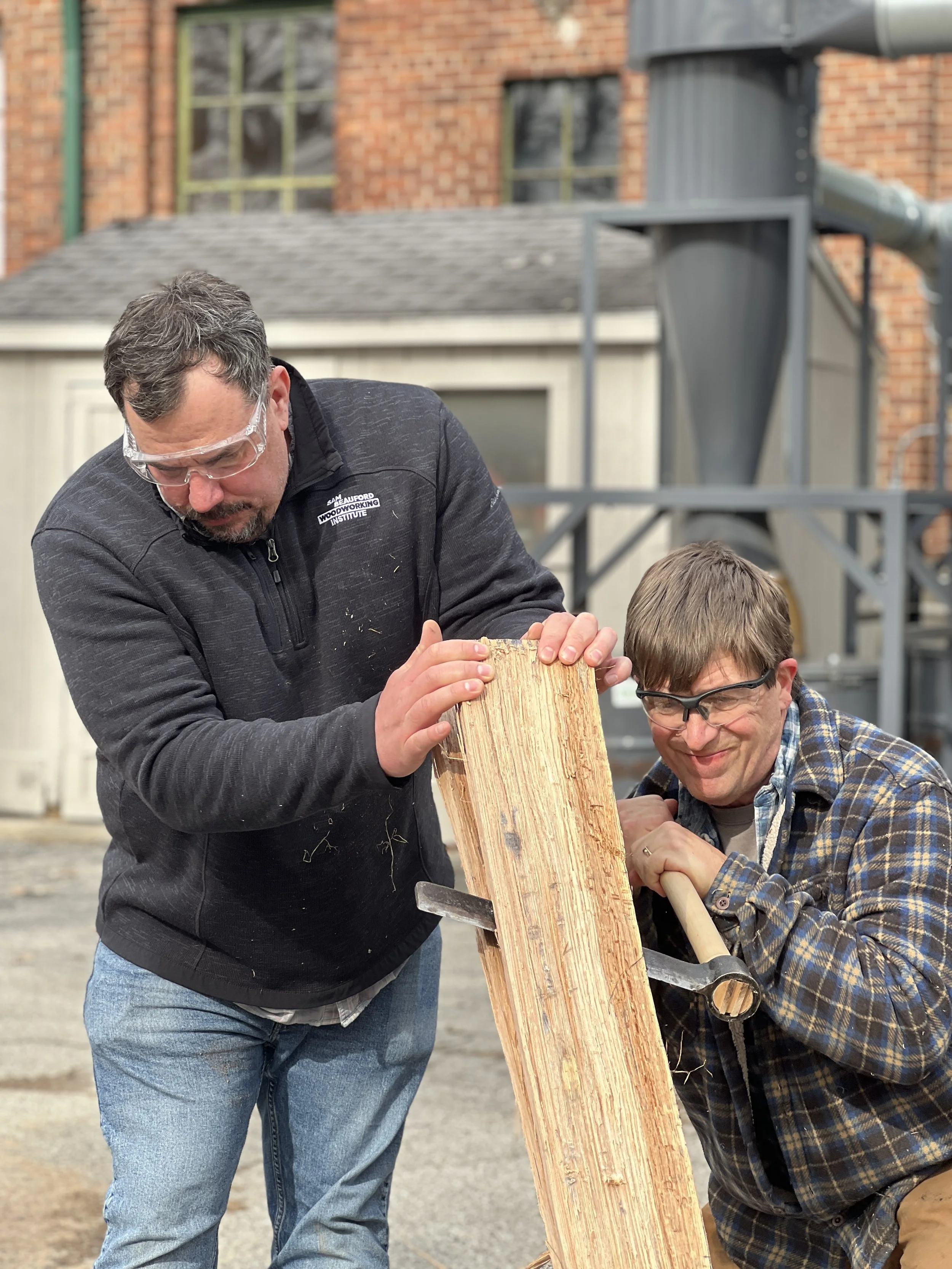
Can You Make a Living Making Furniture?
Yes! You can make a living making furniture. But like many skilled trades and creative professions, the path is usually more practical and varied than people first imagine.
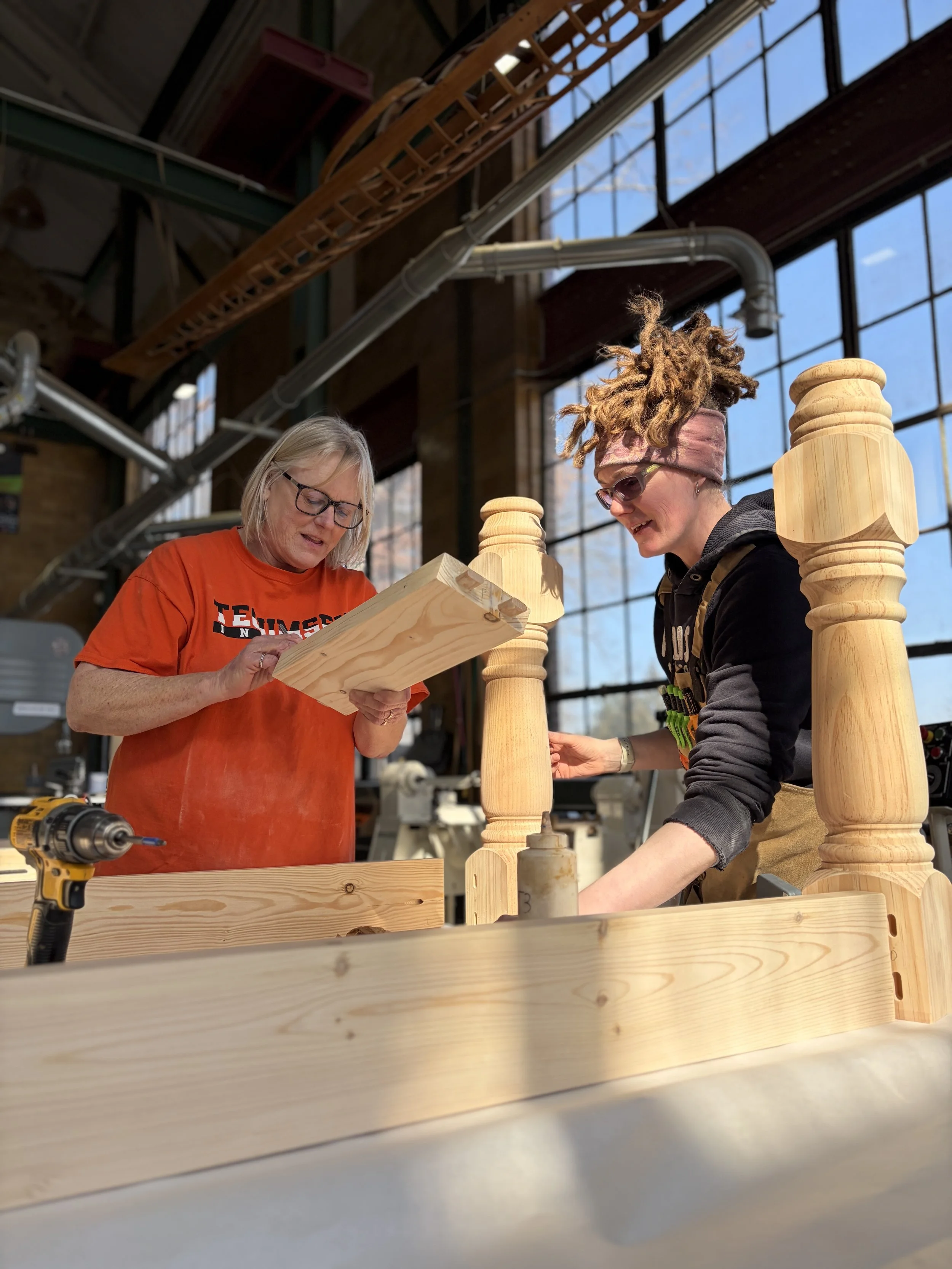
What is it really like for Women in Woodworking?
At SBWI, we believe that women have an enormous opportunity to carve a new path as skilled workers and leaders. If you are here, you’re right on time. The next generation of woodworking is now.

What Is Mass Timber and Why Does It Matter for Woodworkers?
If you’re curious about where woodworking and the future of building intersect, mass timber is one of the most exciting developments in the construction world.

What is the career placement process after trade school?
We are relentlessly focused on your success throughout the Wood Design program and beyond, into your career as a woodworker. SBWI is a small school, so we don’t have a “Career placement” officer or a formal program. Instead, we invite interested employers to present to our students in the spring, and we work our deep relationships and meaningful connections to help students achieve their employment goals.
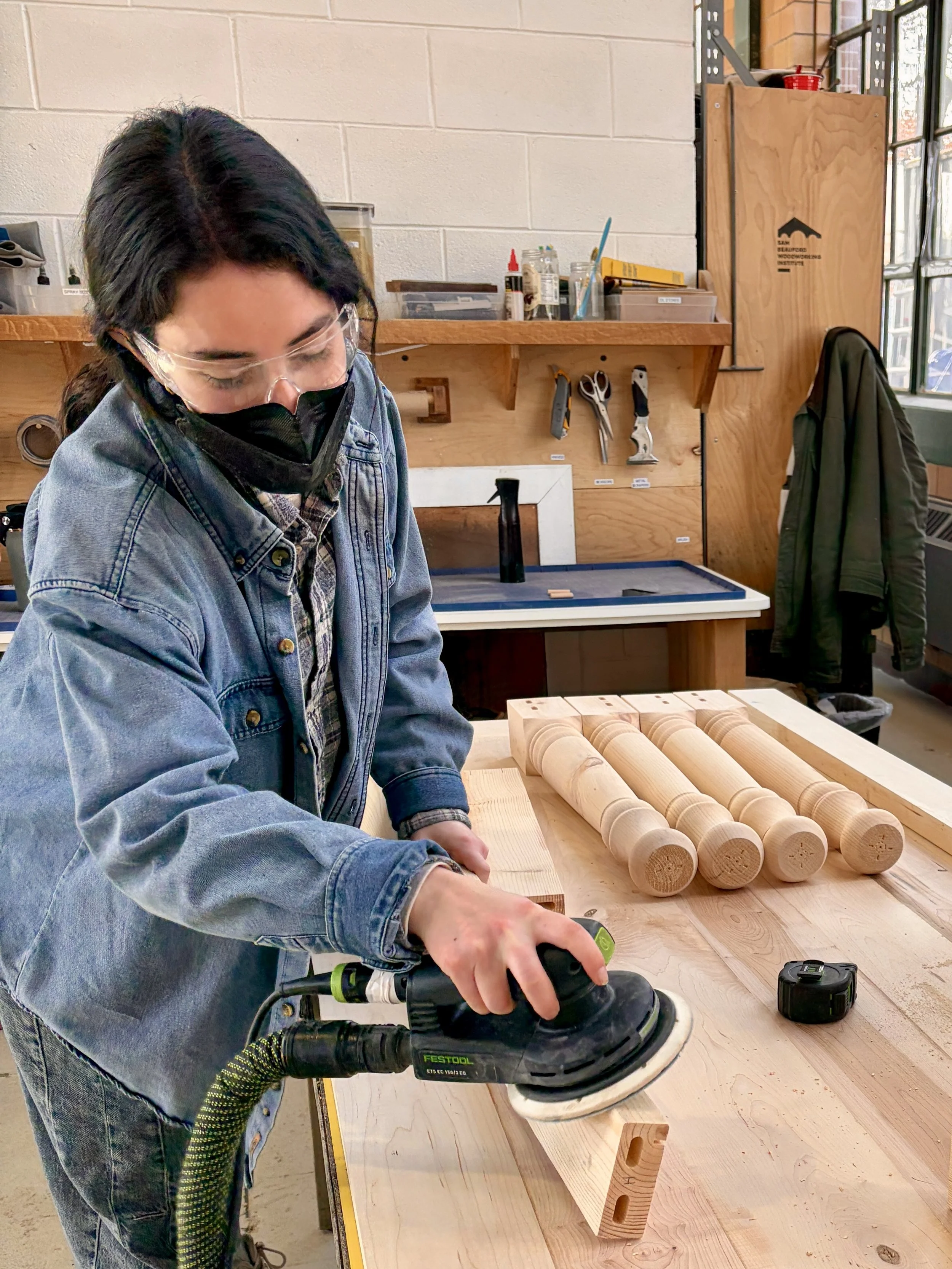
What Scholarships are Available for Woodworking School?
To start with, a scholarship is free money. It is a gift awarded to people to meet certain criteria, and it is usually competitive. You do not have to pay it back. But the timing of the scholarship is important. You may not get it until you start school, or you may need to pay first, and then submit receipts to be reimbursed
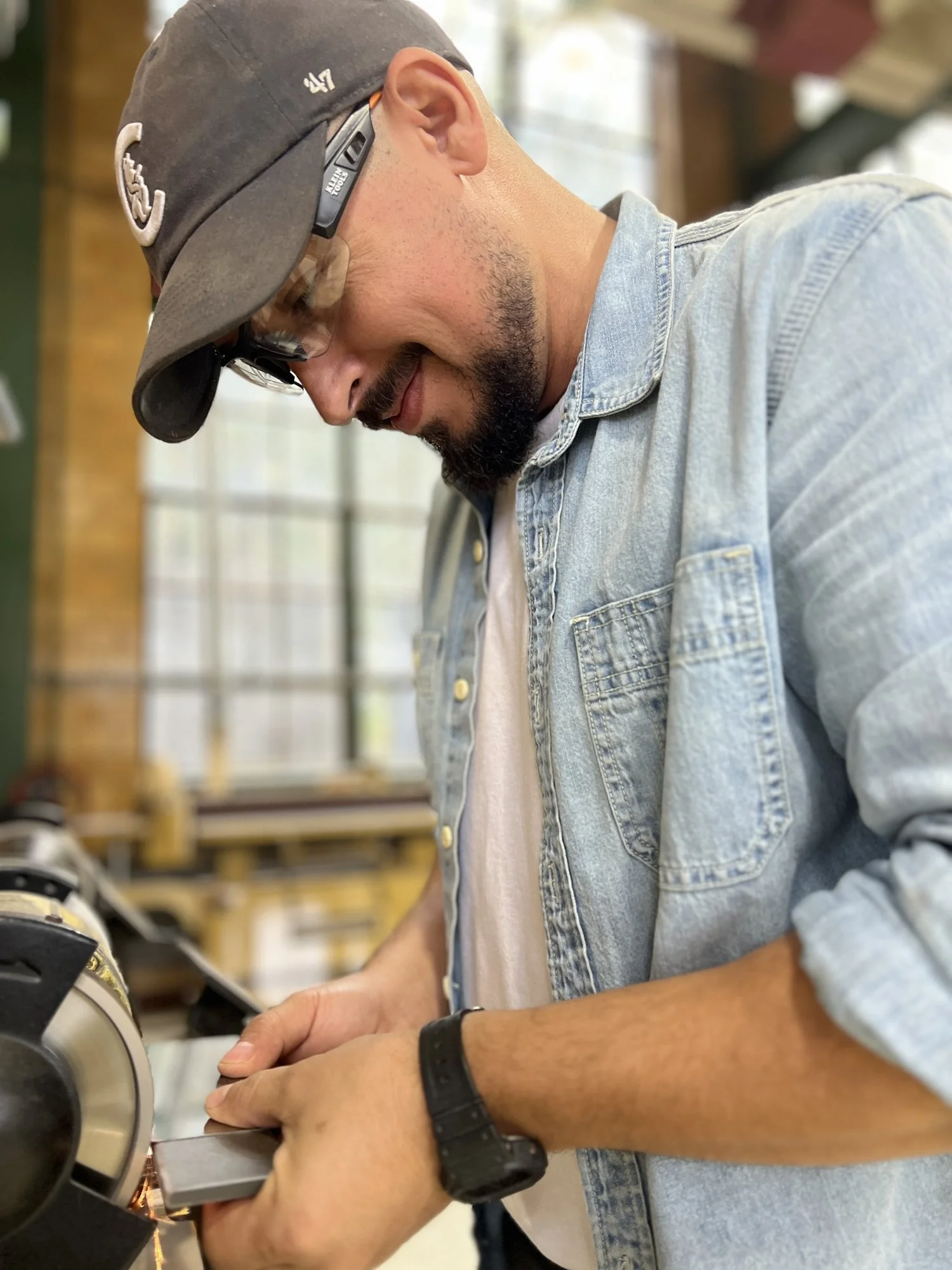
How Safe is a Career in Woodworking?
Woodworking is a very safe career, even compared to white collar careers that are often considered ‘risk-free.’
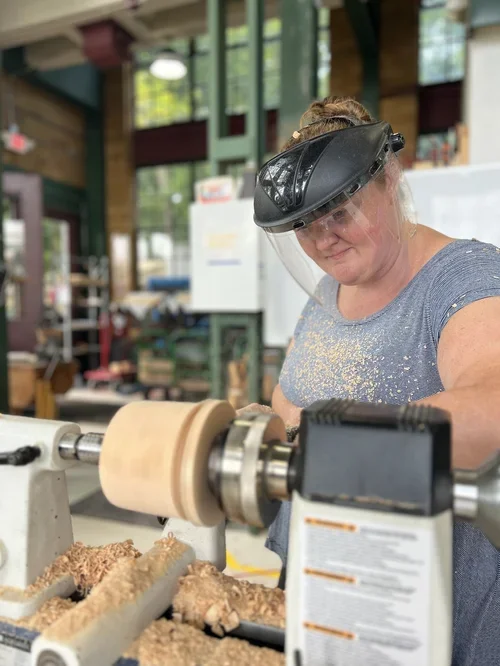
Should I try woodworking before applying to trade school?
SBWI does not require you to have any woodworking experience. Still, if you are considering trade school, spending some time working in a shop can help you feel more confident in your goals.

Can I Use the GI Bill® or Veterans Benefits for Woodworking Trade School?
Veterans work alongside civilian students from all walks of life, gaining practical woodworking skills while carving their path towards a career in the trades.
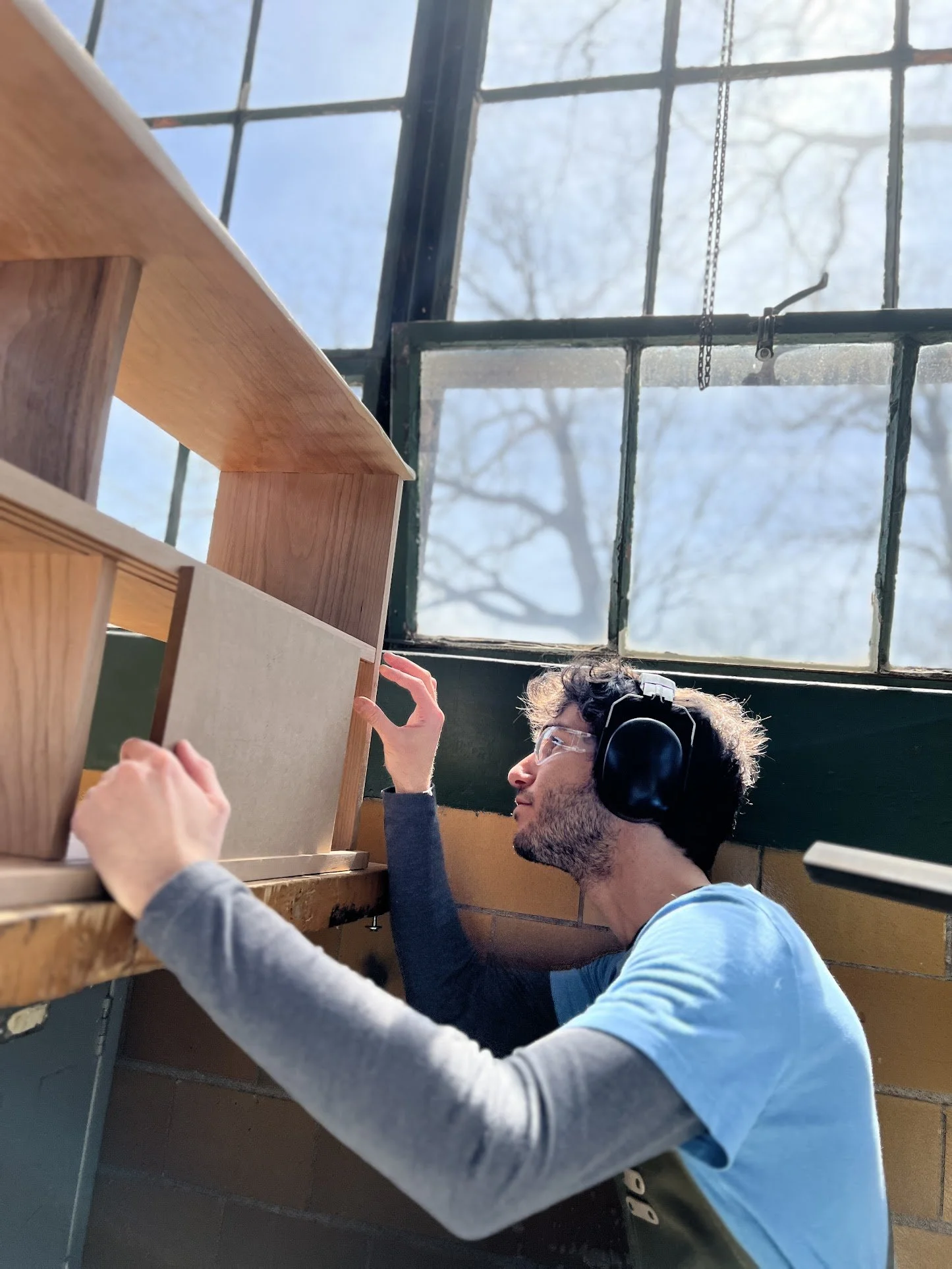
What If I Have No Woodworking Experience? Can I Still Go to Trade School?
You don’t need a background in woodworking to attend SBWI.
In fact, many students arrive with little or no prior experience. Our curriculum is built to teach from the ground up, starting with the fundamentals and progressing through real, hands-on work in the shop.

How Much Does Woodworking School Cost & What’s Included?
A clear explanation of SBWI tuition, tools, and included materials for the Wood Design program, with context for living off-campus in Adrian.

Woodworking Diploma vs. College Degree: What’s the Difference? (And Which One Fits You?)
Wondering whether a woodworking diploma is “as good as” a college degree? Here’s an honest comparison that explains how trade school and college serve different goals, and which one is right for you.

Can You Make a Living as a Woodworker?
Woodworking is a real, sustainable career with strong demand in furniture making, cabinetry, restoration, and more. Here’s how trained woodworkers earn a living—and how SBWI helps graduates get there.

What Kinds of Jobs Are Available After Woodworking School?
Graduates of SBWI’s Wood Design Furniture program land jobs in custom furniture shops, cabinetmaking, restoration, and more. Here’s a look at the most common career paths — and what you could do with woodworking training.