
A Hands-On Trade School for Creative Careers
SBWI is a hands-on trade school and woodworking school in Adrian, Michigan, for creative people who want to build a career with skill, craft, and purpose.
Trade School
Our flagship program. Learn how to design and build high-end furniture.
This program focuses on building structures.
Learn how to build and install the fine details of new and old buildings.
"The only way to do great work is to love what you do. If you haven't found it yet, keep looking. Don't settle." — Steve Jobs
Furniture Design
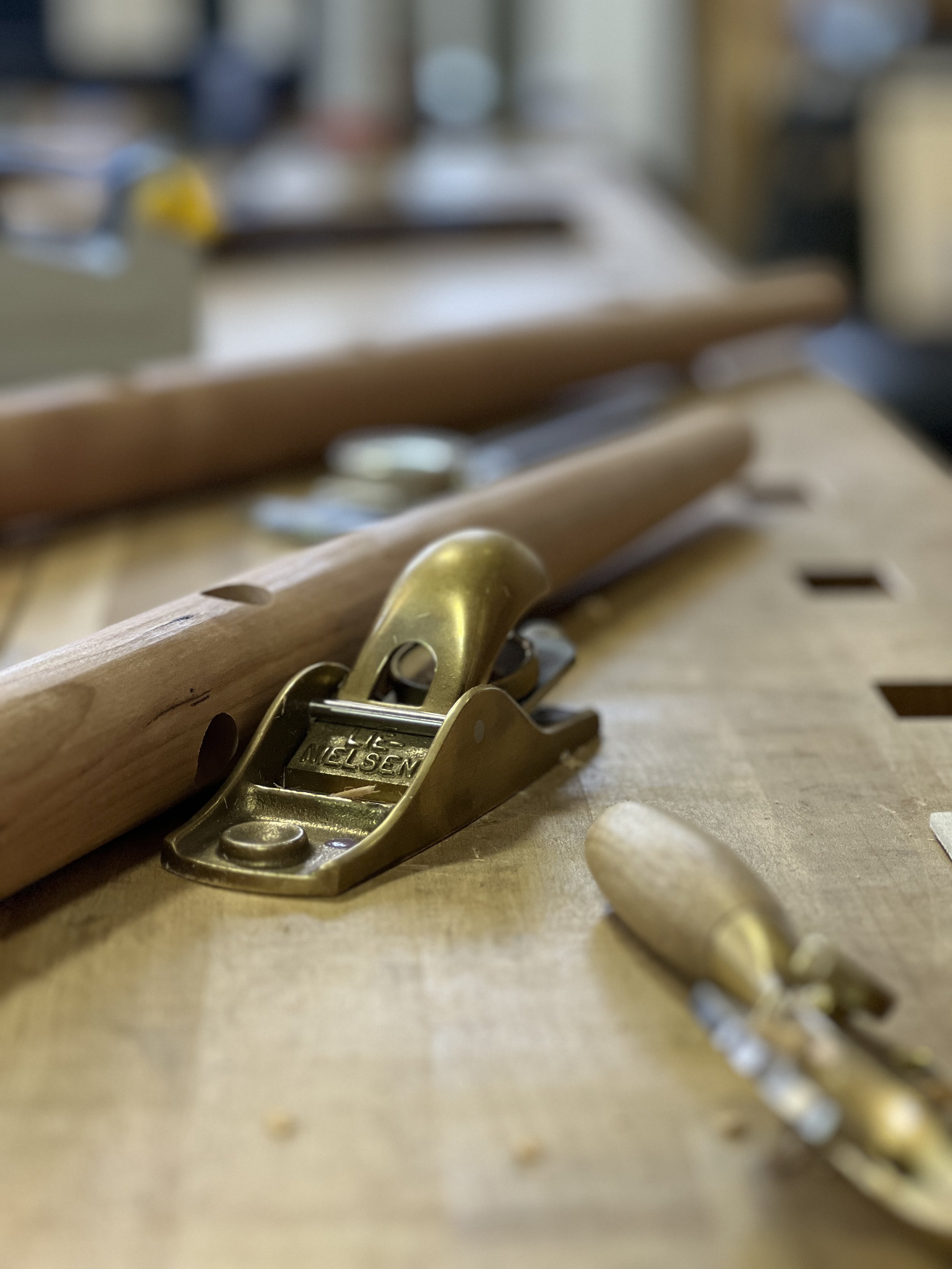
Furniture Design is SBWI’s flagship woodworking program for students who want to design and build original, high-end furniture. Students learn joinery, drawing, design history, hand tools, machine skills, and business practices while developing a portfolio of finished work.
DesignBuildHistoryJoineryBusiness24 clock hours per week, plus studio accessEarn a professional Diploma in Furniture Design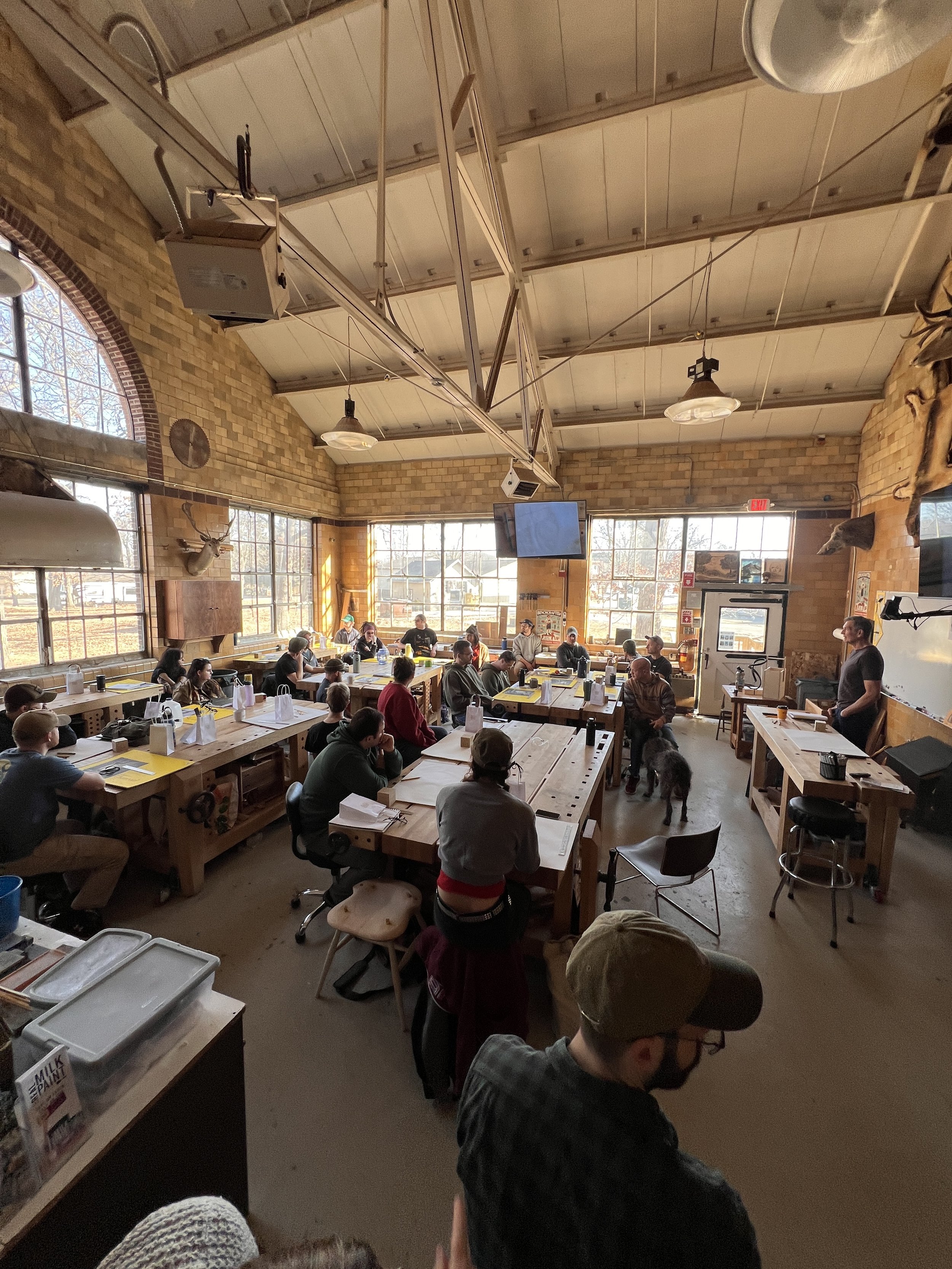
Architectural Carpentry & Preservation
Architectural Carpentry & Preservation prepares students for hands-on work in finish carpentry, historic restoration, windows, doors, cabinetry, and architectural details. Students learn how to build, repair, preserve, and recreate the elements that give new and historic buildings their character.
Finish CarpentryPreservation, Rehabilitation, Restoration, ReconstructionCabinet MakingWindows & DoorsEarn a professional Diploma in Architectural Carpentry & Preservation40 hours per week from late August until June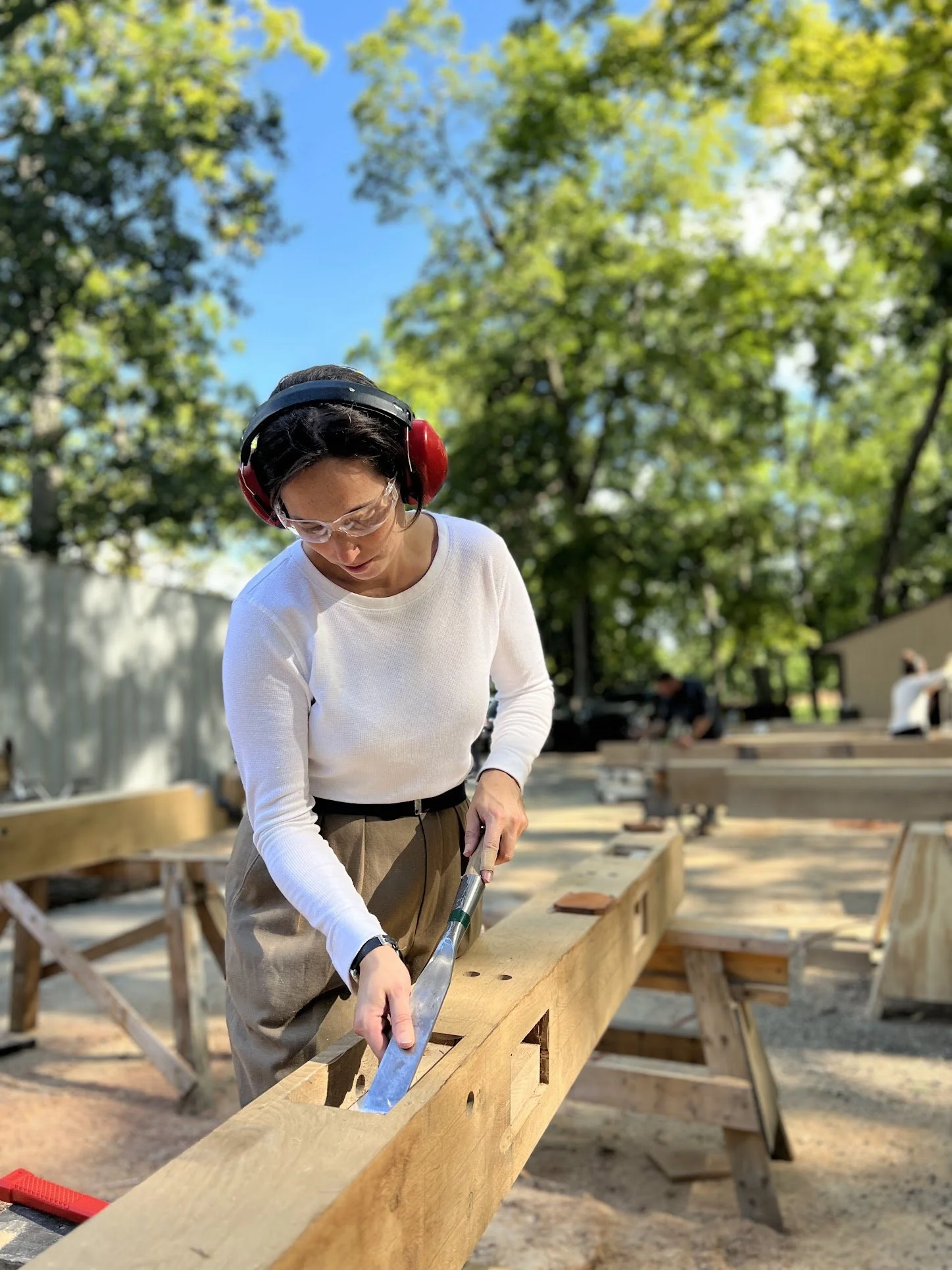
Timber Framing
Timber Framing trains students in traditional joinery, layout, carpentry, green building, mass timber, and structural wood systems. Students learn how to craft and raise timber structures while building the skills needed for careers in carpentry, construction, and timber framing.
CarpentryGreen BuildingMass TimberTraditional Timber Framing40 hours per week from Late August until JuneEarn a professional diploma in Timber FramingCampus
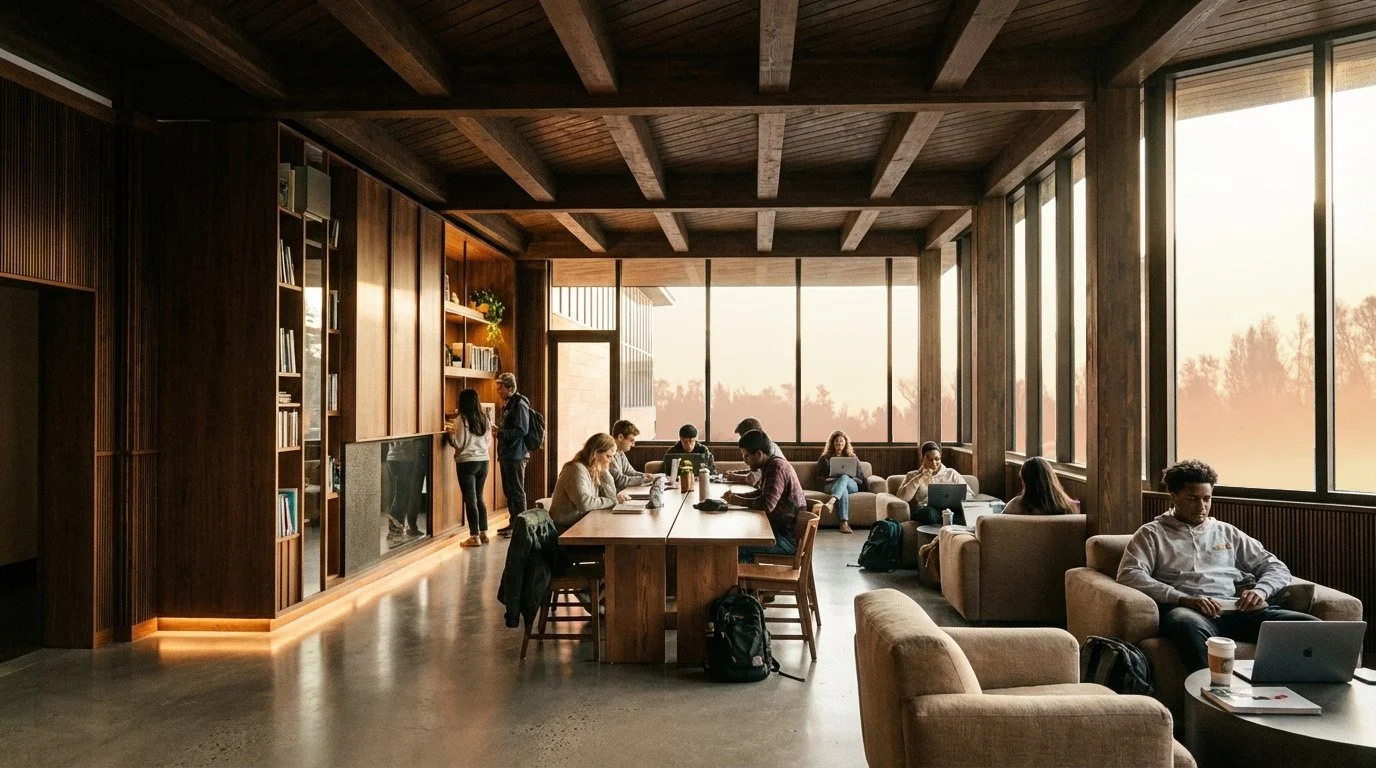
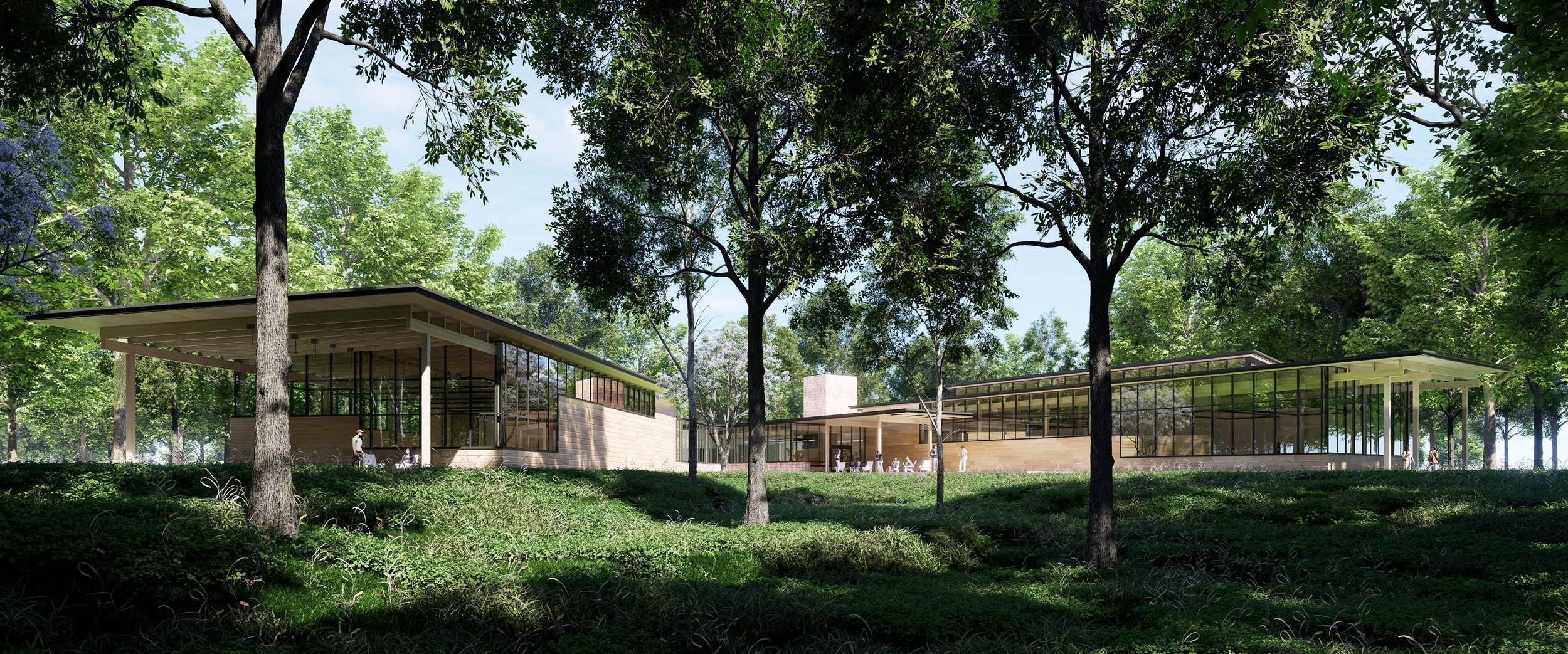
Students entering SBWI’s 2027-2028 programs will be part of the inaugural class to study in our new purpose-built campus designed for hands-on learning. Located on a 31.5-acre wooded campus in southern Michigan, the new 24,000 sq. ft facility was created using biophilic design principles, by integrating natural elements into built environments. Surrounded by Wolf Creek, a restored wetland, a fishing pond, and mature woods, the campus is intended to connect students to the natural world while they study the materials, tools, and traditions of the trades.
Student Stories
"My time at SBWI was transformational. Class days, as well as studio time, were deeply satisfying. Before Sam Beauford, I had never done any woodworking, but throughout the course, my ideas took shape and plain boards became something lasting - something I was proud of."
— Rhiannon Zickafoose '25, Furniture Design
"What stood out most, though, was how the work felt. “It was actually surreal for me,” Rahme says, “because for the first time I was able to spend my time doing something that was actually enjoyable.” The program passed quickly (too quickly, in his view) but it marked an important turning point. “It was just a really beautiful chapter in my life.”
— Rahme Mourad ‘24, Furniture Design
"The project-based format was the biggest difference for me. A semester elsewhere is one long 15-week block of time. At SBWI, you work in these smaller pockets — three weeks or so — and each one builds on the last. That progression made my brain very happy. And it’s how I work now: We make something, and then we move on to the next project. The structure was a big advantage."
— Daniel Kraus ‘25, Furniture Design
Choose your program
Frequently Asked Questions
-
SBWI offers hands-on trade school programs in Furniture Design, Timber Framing, and Architectural Carpentry & Preservation. Each program is designed for students who want to build practical skills, work with real materials, and prepare for creative careers in woodworking, carpentry, craft, and the building trades.
-
SBWI is a trade school with the creative depth of an art school. Students learn technical skills through hands-on projects while also developing design thinking, craftsmanship, problem-solving, and a personal creative voice. It is a strong fit for people who want practical career training without giving up creativity.
-
Woodworking can be a strong career path for creative people who enjoy working with their hands, solving problems, and making physical objects. Careers can include furniture making, cabinetmaking, finish carpentry, timber framing, preservation carpentry, architectural millwork, custom fabrication, and self-employment.
-
Furniture Design focuses on designing and building fine furniture, developing woodworking skills, and creating original pieces. Timber Framing focuses on traditional and modern timber structures, joinery, layout, and structural building methods. Architectural Carpentry & Preservation focuses on finish carpentry, historic restoration, windows, doors, trim, millwork, and preservation work on buildings.
-
No prior woodworking experience is required for many SBWI students. The programs are designed to help students build a strong foundation before moving into more advanced skills. Curiosity, commitment, patience, and a desire to learn are often more important than previous experience.
-
Yes. SBWI can be a good option for career changers who want to move into a hands-on, creative trade. Many students come to woodworking or carpentry after working in other fields, attending college, serving in the military, or realizing they want work that feels more physical, creative, and meaningful.
-
Yes. SBWI is an alternative to a traditional four-year college for students who want focused, hands-on career training. Instead of spending several years in a broad academic program, students at SBWI build practical skills, complete real projects, and prepare for careers in woodworking, carpentry, design, preservation, and related trades.
-
Graduates of woodworking trade school may pursue jobs in furniture shops, cabinet shops, millwork companies, timber framing companies, restoration firms, construction companies, design-build studios, museums, historic preservation organizations, and custom fabrication businesses. Some graduates also start their own shops or creative businesses. Visit the SBWI Works Page for more info.
-
SBWI’s full-time trade school programs are designed as focused, immersive training programs. Each program runs for a full academic school year. Typically starting in late August and finishing in Early June, just like typical K-12 and university schedule.
-
SBWI is located in Adrian, Michigan. The school serves students from Michigan, the Midwest, and across the World who are looking for hands-on training in woodworking, furniture design, timber framing, carpentry, and preservation trades.
-
Item SBWI provides student housing information and resources for students relocating to Adrian, Michigan. Housing availability, options, and costs may vary, so prospective students should review the current student housing information or contact SBWI directly for guidance.
-
SBWI provides information about financial aid, scholarships, payment plans, and other funding options for eligible students. Availability may vary by program and student situation, so applicants should review the current financial aid information and speak with SBWI admissions. Visit our financial aid page for more info.
-
Eligible veterans may be able to use GI Bill benefits or Veteran Readiness and Employment benefits for approved SBWI programs. Students should confirm current eligibility, program approval, and benefit details with SBWI and the U.S. Department of Veterans Affairs. Visit our GI Bill page for more info.
-
Student life at SBWI is centered on the studio, the shop, and a shared commitment to craft. Students spend much of their time building projects, learning from instructors, collaborating with classmates, and becoming part of a community of makers, designers, carpenters, and craftspeople. Visit our Student Life page for more info.
-
Our belief system is that trade education is the most important education someone can receive. Food, water, and shelter are the fundamental needs for living. These need are met by farmers, carpenters, and plumbers. These professions should be treated with the same prestige as doctors, lawyers, finance, etc.. Society has been conned to believe that trades are an “alternative education”. Our donors have made a significant investment to build facilities that represent the prestige that these career paths deserve instead of reserving the best facilities for medical school or law school.
SBWI combines technical trade training with design, craft, and community. Students learn through real projects, small-scale instruction, hands-on studio time, and exposure to professional pathways. The school is especially suited for people who want a career that blends skill, creativity, and meaningful work.
-
Yes. SBWI students learn by building real projects with real materials. Project-based learning helps students develop technical skill, confidence, problem-solving ability, and a portfolio of work that reflects their growth.
-
Students typically complete projects that can help form a portfolio of work. A strong portfolio can be useful when applying for jobs, apprenticeships, commissions, or further professional opportunities in woodworking, furniture design, carpentry, timber framing, and preservation.
-
The right program depends on your interests and career goals. Furniture Design may be best if you are drawn to fine woodworking, design, and original objects. Timber Framing may be best if you are interested in structures, joinery, and building systems. Architectural Carpentry & Preservation may be best if you are interested in finish carpentry, restoration, historic buildings, windows, doors, trim, and millwork.
-
SBWI’s new campus is designed for hands-on learning in woodworking, carpentry, timber framing, and preservation trades. Located on a wooded campus in southern Michigan, the facility is intended to support focused studio work, connection to natural materials, and a strong student community.
-
Prospective students can request more information or begin the application process through SBWI’s website. The admissions process can help students learn more about program options, schedules, tuition, financial aid, housing, and which pathway may be the best fit.