
Can You Make a Living Making Furniture?
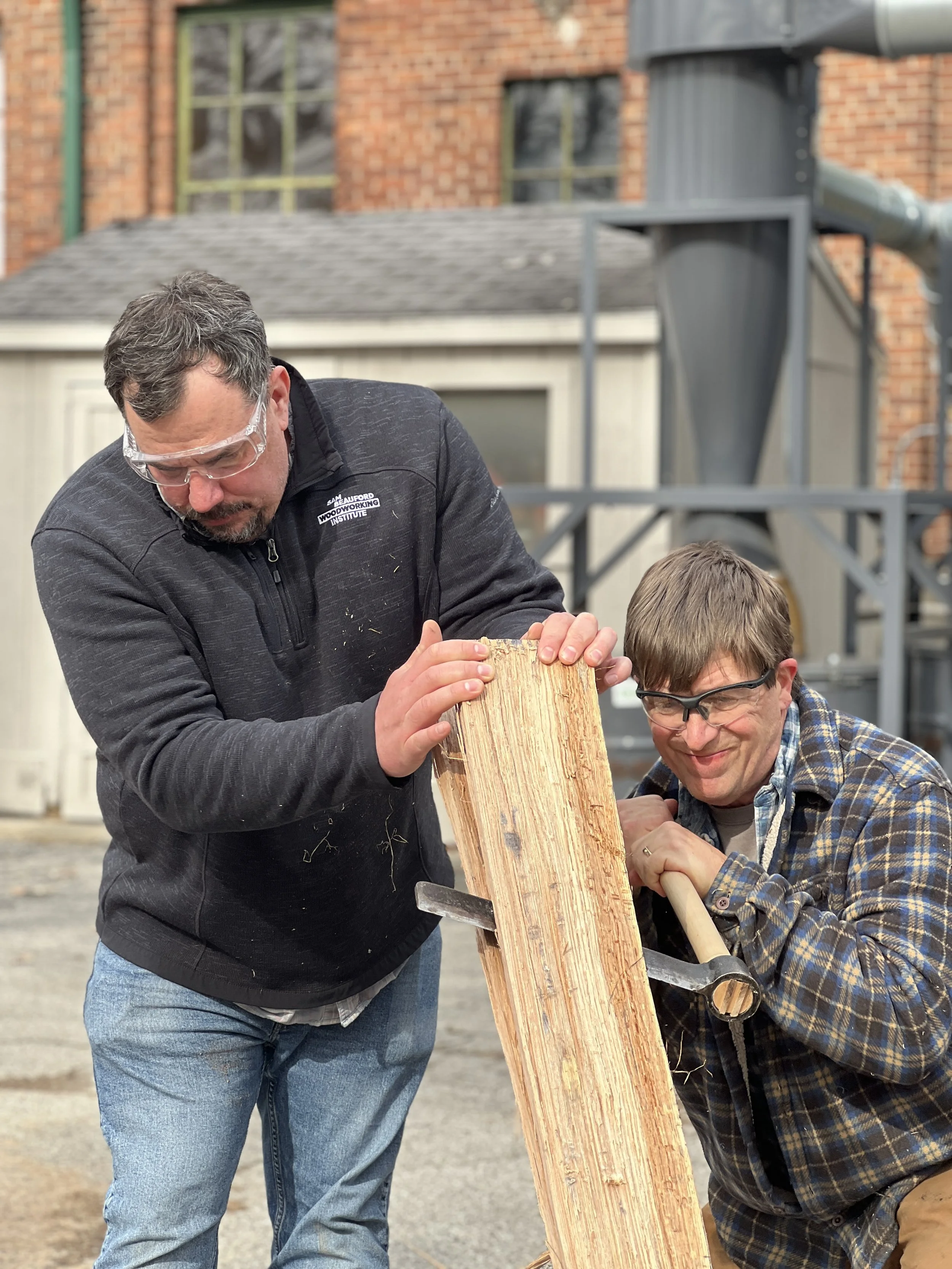
SBWI founder Luke Barnett splits wood with a student to make a Windsor Chair.
Can You Make a Living Making Furniture?
Yes! You can make a living making furniture. But like many skilled trades and creative professions, the path is usually more practical and varied than people first imagine.
For some furniture makers, that living comes from working in a professional shop, building custom pieces, or joining a cabinet or millwork company. For others, it comes from combining several kinds of work: commissions, fabrication, repair, installation, design, teaching, or running a small business. The career can look different depending on your skills, goals, and how you want to work.
If you’re considering woodworking trade school or trying to decide whether furniture making could become a real career, the better question may not be “Can anyone make a living doing this?” It may be:
What skills and interests do I bring to carve my unique path in this industry?
The answer is that it’s possible, but it takes skill, adaptability, and a clear understanding of the industry.
Furniture Making Is a Real Career, But Not Always in the Romanticized Way People Picture It
When people imagine “making furniture for a living,” they often picture one person in a beautiful studio, building heirloom pieces by hand all day. That version of the work does exist but it’s only one part of the field. In reality, that solo furniture maker is also running a small business: Sourcing materials, working with clients, scoping projects, and business documents and doing accounting. Professional furniture making isn’t just a person in a shed, it can include many different kinds of work, such as:
building custom tables, chairs, and case pieces
fabricating built-ins or architectural furniture
working in a production or small-batch shop
assisting with design and prototyping
doing finishing, assembly, or installation
taking on commission work for clients
repairing or restoring furniture
combining furniture work with related trades or creative practice
Many people assume there are only two outcomes:
Become a solo artisan and do it all yourself
Work for someone else
But the truth is, collaboration and community create a lot of gray area between those two extremes. Industry connections and soft skills are important to help with anything from finishing commissions to generating referrals, getting professional advice, and staying in contact with clients. There are many ways to build a sustainable career in furniture and wood design, especially for people who are willing to stay flexible about how the work takes shape.
How Do Furniture Makers Actually Earn a Living?
There isn’t one single income model for furniture makers. Some people earn a steady paycheck by working for an employer. Others work independently. Many do some combination of both over time. A professional furniture maker might earn income through:
Shop Employment
Working in a furniture studio, fabrication shop, cabinet shop, or custom woodworking business.
Commission Work
Designing and building one-off pieces for individual clients, interior designers, or small commercial spaces.
Production or Small-Batch Work
Making repeatable furniture pieces, either for a company or as part of a personal product line.
Installation and Related Work
Helping with delivery, fitting, built-ins, finishing, or architectural woodwork that supports furniture-based skills.
Self-Employment
Running a small furniture business, which may include quoting projects, communicating with clients, sourcing materials, marketing, and managing timelines in addition to building. That mix is one reason furniture making can be both exciting and challenging: the work can be deeply satisfying, but the path is often built over time rather than handed to you all at once.
Is Furniture Making a Stable Career?
Yes, but stability comes from skill level, versatility, and professionalism, not just passion alone. People who tend to build more sustainable careers in furniture are often those who can do more than just “make cool stuff.” They also learn how to:
work accurately and efficiently
solve design and construction problems
communicate clearly
meet deadlines
understand materials and process
produce consistent results
adapt to different kinds of jobs and shop environments
That’s true whether someone wants to work for a company or eventually build an independent practice. Furniture making is not usually a shortcut career. It is a skill-based career, and that means your opportunities often grow as your abilities and confidence grow.
Is It Better to Work for a Shop or for Yourself?
For many people, working for an established shop first is one of the most realistic ways to begin.
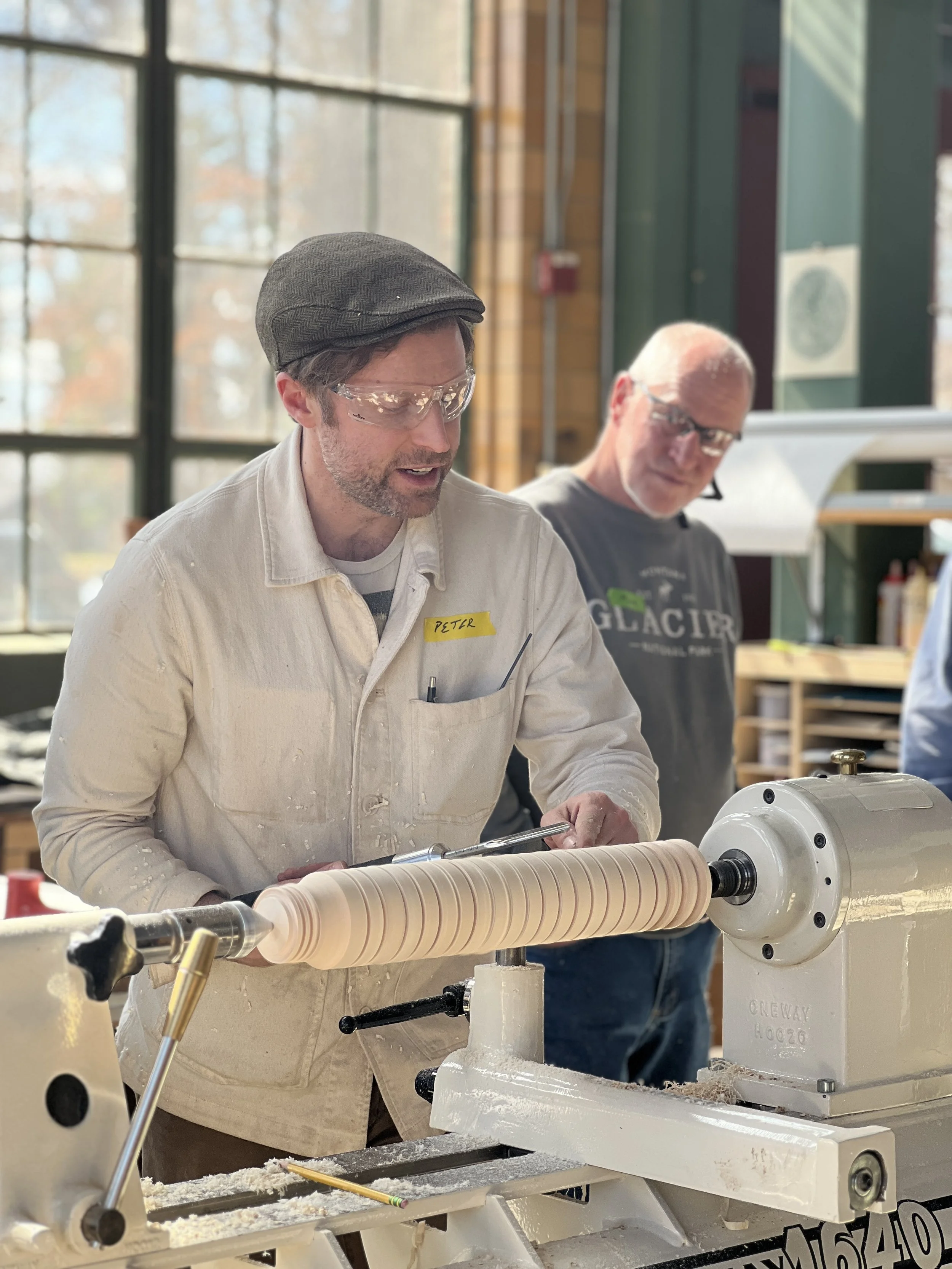
That can offer:
hands-on experience
exposure to professional workflow
team-based learning
access to tools and systems
a clearer understanding of how the industry actually works
It can also help someone decide whether they eventually want to:
stay in a shop environment
specialize in certain types of work
launch a small furniture business
combine furniture making with design or another trade path
Being self-employed can be rewarding, but it also means wearing many hats. You are not only the maker you may also be the estimator, communicator, project manager, marketer, and scheduler.
What Kind of Person Tends to Thrive in Furniture Making?
You do not need to arrive with years of experience or a perfect artistic background. But people who do well in furniture making often have some combination of the following:
patience
curiosity
attention to detail
persistence
comfort with trial and error
interest in both design and making
willingness to keep improving
It also helps to enjoy work that is hands-on, process-driven, and tangible.
So, Can You Make a Living Making Furniture?
Yes. Plenty of people make a living making furniture, including Daniel, Rhiannon, Katie, and Rahme. For most professionals, that living is built through a combination of:
strong foundational skills
real shop experience
professional habits
adaptability
time
For some, that path leads to employment in a professional woodworking environment. For others, it grows into custom work, independent practice, or a broader creative career in wood design. The important thing is that furniture making is not just a hobby. It is a serious, skill-based profession, and for the right person, it can become a meaningful and sustainable way to work.
Why Training Matters
One of the biggest challenges for aspiring furniture makers is not whether they care enough about the craft, it’s whether they can build the skills, discipline, and confidence to do the work professionally. That’s where focused training can make a real difference. A strong woodworking education can help students move beyond trial-and-error learning and begin developing the technical and design foundation that professional work requires. For people who want to seriously explore furniture making as a career, structured training can help shorten the distance between interest and opportunity.
Ready to Apply?
If you are ready, apply to our Wood Design program to prepare for a career in the trades. If you’re just looking to explore woodworking, taking a short course is a great way to get to know us.
If you have any questions, reach out to our Vice President of Enrollment who can walk you through all the above, and more.